

Acrylic Cotton vs. Pure Acrylic: A Practical Guide to Warmth, Comfort, and Everyday Wear
When shopping for winter socks, sweaters, scarves, or thermal layers, fabric composition matters far more than most people realize. Two materials often compared are acrylic cotton blends and pure acrylic.
At first glance, they seem similar—soft, warm, and lightweight.
But in real-world daily wear, the differences are significant. This enhanced guide breaks down the strengths and weaknesses of each material using clear list-style sections, technical references, and scientific insights to help you make smarter wardrobe decisions this winter.

Why Acrylic Cotton Is a Smart and Balanced Choice
Acrylic cotton blends combine the breathable, natural softness of cotton with the insulating, shape-retaining qualities of acrylic.
This hybrid structure creates a fabric that performs better across multiple categories than either material alone. According to [Textile Exchange standards], acrylic is valued for lightweight insulation, while cotton offers comfort and breathability, making the combination especially versatile.
1. Softness & Skin Feel
Rating: ★★★★★
Cotton brings skin-friendly comfort, while acrylic contributes smoothness and elasticity. Together, they create a fabric that is:
- Soft
- Non-irritating
- Comfortable even for sensitive skin
Healthline reports that cotton reduces skin irritation, while acrylic adds softness without the itchiness often associated with wool.
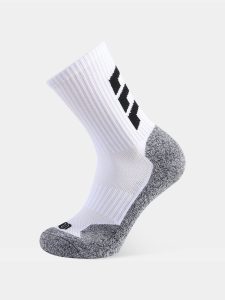
- Best Application: [Winter Socks], thermal underwear, and base layers.
2. Warmth & Insulation
Rating: ★★★★☆
Acrylic traps heat efficiently, and cotton stabilizes the feel of the fabric. The resulting warmth level is moderate to high, making it suitable for most winter climates.
Technical data from [ScienceDirect on Acrylic Fiber Performance] indicates that acrylic absorbs less moisture than cotton, helping it retain heat better in cool environments.
- Summary: Warm but not overwhelmingly hot.
3. Comfort & Breathability
Rating: ★★★★☆
Cotton adds airflow and moisture absorption, while acrylic maintains structure. This results in:
- Breathable wear
- Light feel
- Less sweat buildup than pure acrylic
Research by [CottonWorks] confirms that cotton blends significantly improve moisture management compared with fully synthetic fabrics.
4. Durability & Anti-Pilling
Rating: ★★★★☆
Acrylic adds abrasion resistance and shape retention; cotton provides stability. Blended together, they resist wear better than:
- Full cotton (which tears/shrinks easily)
- Full acrylic (which can pill rapidly)
This makes the blend a common choice for [Long-lasting Knitwear] that needs to survive multiple wash cycles.
5. Shrinkage Control
Rating: ★★★★☆
Cotton shrinks easily; acrylic does not. When blended, shrinkage is dramatically reduced—far less than pure cotton but slightly more than 100% acrylic.
6. Ease of Care
Rating: ★★★★★
Acrylic cotton blends are perfect for busy daily wear because they:
- Wash easily
- Dry faster than pure cotton
- Resist odors better than pure synthetics
7. Value for Money
Rating: ★★★★★
Balanced performance at a mid-range price point. It is warmer than cotton, more breathable than acrylic, and more durable overall.
Pure Acrylic — Advantages and Limitations You Should Know
Pure acrylic is a 100% synthetic fiber engineered to mimic wool. It is warm, soft, durable—and widely used in winter garments—but comes with notable trade-offs.

Moisture Management & Static
Rating: ★★☆☆☆
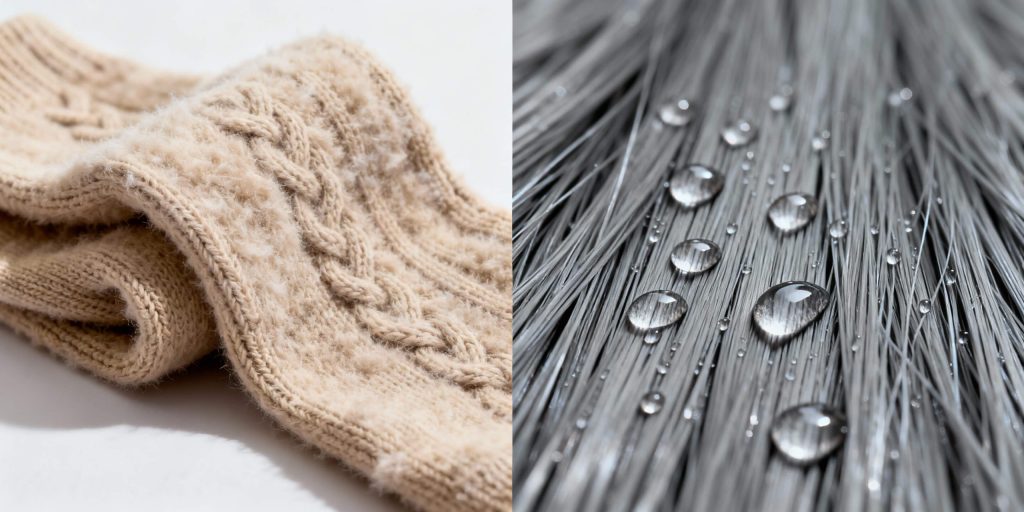
Pure acrylic is hydrophobic (water-repelling), meaning it absorbs very little moisture.
Research from the [NCBI] shows that low-absorption fabrics can trap sweat against the skin and build static electricity more easily.
- What this means: Sticky feel, clamminess, and static shocks—especially in humid climates or during long wear.
9. Warmth Level
Rating: ★★★★★
Acrylic’s insulation is extremely strong, earning it the nickname \”synthetic wool.\” Brushed acrylic can rival wool in warmth, according to the [Woolmark Company].
- Best for: Extreme cold, plush socks, scarves, and thick winter accessories.
10. Softness & Texture
Rating: ★★★★★
Modern acrylic is surprisingly soft and can feel fleece-like. Finishing processes make it even smoother than cotton in some cases.
11. Durability & Shape Retention
Rating: ★★★★★
Acrylic resists abrasion, deformation, and structural collapse. Properly knit acrylic garments maintain shape even after repeated washing.
12. Shrinkage Resistance
Rating: ★★★★★
Acrylic does not shrink. While cotton may shrink over time, acrylic retains its original dimensions.
13. Laundry Convenience
Rating: ★★★★★
Extremely easy to wash, dries quickly, and is excellent for travel or everyday winter use.
14. Breathability Limitations
Rating: ★★☆☆☆
Low absorption equals poor airflow. It can feel stuffy in warm or indoor environments, making it better suited for cold-only use.
15. Cost Efficiency
Rating: ★★★☆☆
Acrylic is often the cheapest winter fabric. Great for budget buys—but comfort varies.
Acrylic Socks vs Cotton Socks: What’s the Difference?
While cotton is highly breathable and soft, it absorbs moisture quickly, which can make your feet feel cold in winter. Acrylic socks, on the other hand, provide stronger heat insulation and dry faster because they do not hold sweat the same way cotton does. This makes acrylic socks a better option for winter activities or anyone who needs warm, cushioned footwear. Cotton socks remain the top choice for warm climates, everyday indoor wear, or people who prefer natural fibers.
Why Acrylic Socks Are Popular for Winter?
Thanks to their heat-retention structure and quick-drying design, acrylic socks for winter have become a staple for people who need reliable warmth without heavy bulk. Whether used alone or blended with cotton, acrylic fibers help maintain a stable thermal barrier, making them ideal for snow days, commutes, and cold-weather outdoor activities.
Acrylic Cotton vs. Pure Acrylic — Which Should You Choose?
Below is a quick comparison for easy decision-making.
| Feature | Acrylic Cotton Blend | Pure Acrylic |
| Skin Comfort | Softer, natural feel | Very soft but synthetic feel |
| Warmth | Medium-High | Extremely High |
| Breathability | Good | Low |
| Static | Low | High |
| Shrinkage | Low | Minimal |
| Laundry | Easy | Very Easy |
| Price | Mid-range | Low |
Choose Acrylic Cotton If You Want…

Natural-feeling softness
Balanced warmth + breathability
All-day comfort without stickiness
Minimal static
Final Thoughts
Both materials have their strengths. But for everyday winter wear, especially winter socks, thermals, and casual knitwear, acrylic cotton blends offer the best overall balance of warmth, breathability, and durability.
Pure acrylic shines when warmth is the top priority, but acrylic cotton wins for versatility.
FAQ — Acrylic Cotton & Pure Acrylic
Yes. Acrylic traps heat far more effectively than cotton, especially in cold climates, due to its synthetic insulation properties.
No. Pure acrylic is generally warmer because it mimics wool, but acrylic cotton is significantly more breathable, making it better for active days or indoor heating.
It can. Pure acrylic is hydrophobic and absorbs very little moisture, which can lead to a clammy or sticky feeling if you overheat.
Yes, it is one of the best choices. It delivers the perfect triad of warmth, breathability, and durability—ideal for long daily wear without sweaty feet.
Pure acrylic is slightly more durable against shrinkage, but acrylic cotton often resists pilling better and maintains a newer look for longer.
Modern acrylic is generally soft and not itchy. However, people with very sensitive skin often prefer the natural touch of cotton blends.
Acrylic in socks refers to a lightweight synthetic fiber designed to mimic the softness and warmth of wool. Because acrylic traps heat efficiently and dries quickly, it is commonly used in winter socks, hiking socks, and everyday thermal wear. Compared with natural fibers, acrylic fibers hold their shape well and resist shrinking, making them ideal for cold-weather footwear.

