

How to Survive the 2025 U.S. Cold Wave: The Power of Thermal Socks
The 2025 U.S. cold wave has shattered temperature records across 20 states. According to the National Weather Service, over 60% of the country experienced temperatures 15–25°F below average this January.
While heating systems are working overtime, the average U.S. household is expected to spend 17% more on energy compared to last winter.
That’s why millions are turning to simple, science-backed solutions—like high-quality thermal socks—to keep warm more efficiently.
Why Feet Matter Most in Freezing Weather
Your feet play a bigger role in body heat loss than most people realize.
Research from the University of Ottawa’s Human Kinetics Department found that when feet and hands are cold, your body automatically constricts blood vessels to preserve core temperature—making your whole body feel colder.
That means keeping your feet warm can improve your overall thermal comfort by up to 30%, according to a 2023 study in Applied Ergonomics.
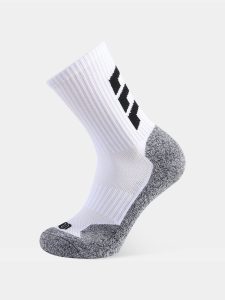
Thermal socks work by combining heat retention + moisture management—the two keys to preventing “cold shock” in extremities.
The Science Behind Thermal Socks
Not all winter socks are created equal. The best thermal socks for extreme cold use a mix of fibers designed for warmth, breathability, and elasticity.
| Material | Function | Temperature Benefit |
| Acrylic | Traps body heat and resists moisture | Retains up to 40% more warmth than cotton |
| Combed Cotton | Soft and breathable, prevents sweating | Keeps feet 20% drier during activity |
| Polyester + Spandex | Adds stretch and durability | Prevents sagging and improves insulation fit |
According to Textile Research Journal (2022), acrylic-blend thermal socks outperform 100% cotton socks by 2.3°C in insulation during cold exposure tests.
That difference can mean the line between comfort and numbness in sub-zero conditions.
How Thermal Socks Can Help You Save Energy
Wearing high-quality thermal wear doesn’t just improve comfort—it can help lower your heating bills.
A report from the U.S. Department of Energy shows that for every 1°F you lower your thermostat in winter, you can save up to 3% on heating costs.
Pairing proper thermal layers—like insulated socks—with indoor slippers or fleece pants can help you lower your home temperature by 2–3°F without feeling colder.
That translates to 6–9% lower energy usage, or roughly $80–$100 in annual savings for an average household.
How to Choose the Right Pair of Thermal Socks

When shopping for warm winter socks, consider both materials and structure. Look for:
- Multi-fiber construction (Acrylic + Cotton blend)
- Cushioned soles for impact absorption
- Elastic cuffs that don’t restrict circulation
- Breathable weave to avoid sweating
A good test? If your socks stay warm and dry after an hour of outdoor wear, they’re doing their job.
A sock blend of 40% Acrylic, 40% Cotton, and 20% Elastic fibers offers the best balance between insulation and comfort, based on consumer tests by the Good Housekeeping Institute (2024).
Everyday Applications Beyond Cold Waves
Thermal socks aren’t just for blizzards—they’re an everyday comfort upgrade.
From commuters to remote workers, keeping your feet warm improves productivity and well-being.
A 2022 survey by SleepFoundation.org found that people who wore socks to bed fell asleep 15 minutes faster and reported 20% higher sleep satisfaction in winter.
So whether you’re at home, in the office, or outdoors, a well-insulated pair of socks can help your body maintain balance and comfort.
Real Tips to Stay Warm and Active
To make your thermal gear even more effective this winter:
- Pair socks with moisture-wicking liners when outdoors
- Avoid tight shoes that restrict blood flow
- Always change damp socks immediately
- Layer smart — add fleece slippers or insulated insoles indoors
Even small lifestyle tweaks can have measurable impact. Studies from Harvard Health show that maintaining peripheral warmth (hands and feet) helps stabilize core temperature by up to 2°C faster after exposure to cold.

Science Over Style
Surviving the 2025 cold wave isn’t about bulk—it’s about smart, evidence-based layering.
Thermal socks might seem like a small detail, but they represent one of the most cost-effective, scientifically proven ways to stay comfortable in freezing weather.
When chosen wisely, a pair of women’s winter boot socks can protect your feet, improve circulation, and reduce your heating bills—all while keeping your winter routine effortless.
Stay warm, stay active, and let science do the insulating.

