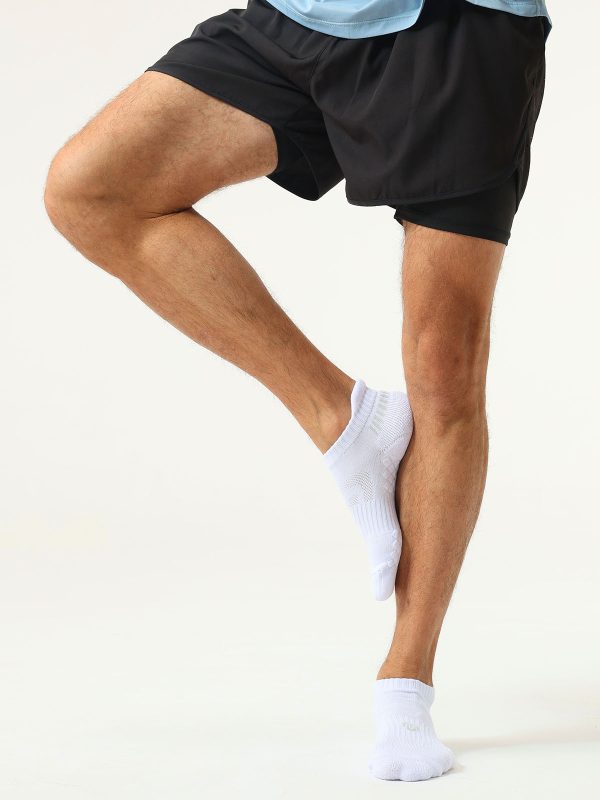
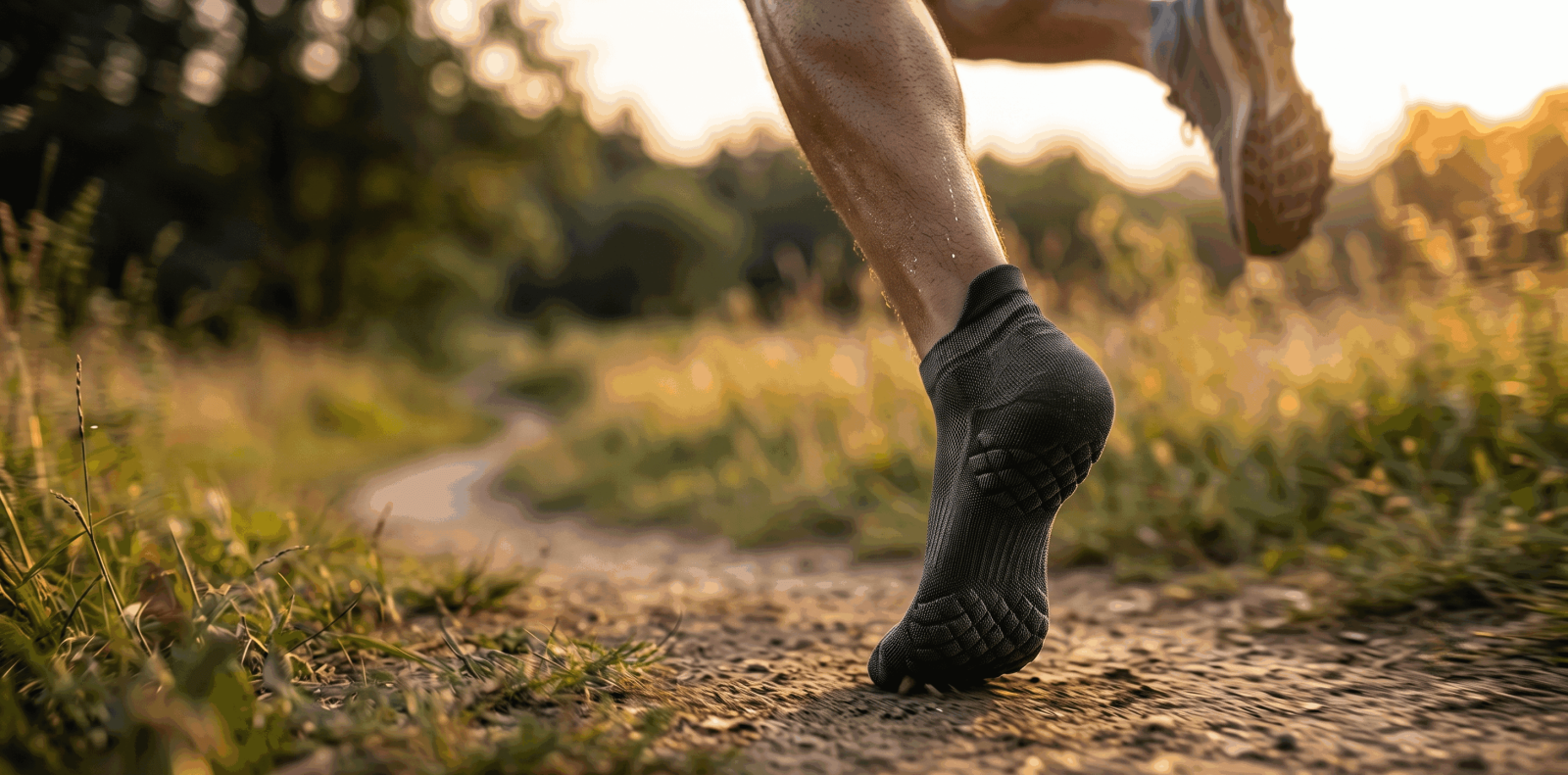
Every runner, gym enthusiast, or casual walker knows the sheer frustration of wearing the wrong footwear accessories. You head out for a quick 5K run or a heavy strength training session, only to have your heel rubbed raw because your base layer slipped down inside your shoe. So, exactly what are ankle socks? Traditionally, they are specifically designed garments that sit perfectly at or slightly below your ankle bone. They offer a crucial, breathable barrier between your skin and the shoe, without the restrictive warmth of taller styles. For decades, athletes have relied on ankle socks to provide maximum mobility and cooling during medium-intensity workouts.
However, not all low-cut pairs are created equal. Modern sportswear demands more than just a thin piece of fabric; it requires advanced anatomical engineering. When you push your body to the limit, your feet take the brunt of the impact. In this comprehensive guide, we will explore the exact science of athletic comfort, tackle the internet’s current fashion debate, and reveal how innovative 3D cushioning can permanently banish blisters and foot fatigue from your active lifestyle.
The Style Debate: Are Ankle Socks Out of Style?
If you spend time on social media, you might have seen a generational fashion debate, leaving many people wondering: are ankle socks out of style? The short and definitive answer is absolutely not.
While high crew silhouettes and vintage tube designs have gained significant traction in everyday streetwear and casual fashion, low-cut athletic profiles remain the undisputed champions of performance, function, and sports aesthetics. When you are hitting the badminton court, jogging on a hot summer day, or pushing through an intense studio dance class, you need unrestricted joint mobility and maximum heat dissipation. The minimalist profile of these short-cut companions offers a sleek, aerodynamic look that pairs flawlessly with running shoes, cross-trainers, and lightweight summer sneakers. They provide all the protection you need without interfering with your workout outfit.
The Science of Materials: Comfort Meets Extreme Durability
To achieve a truly “plush” performance feel, the raw materials must be exceptional. Premium short trainers utilize an optimized blend designed for both extreme softness and structural integrity.
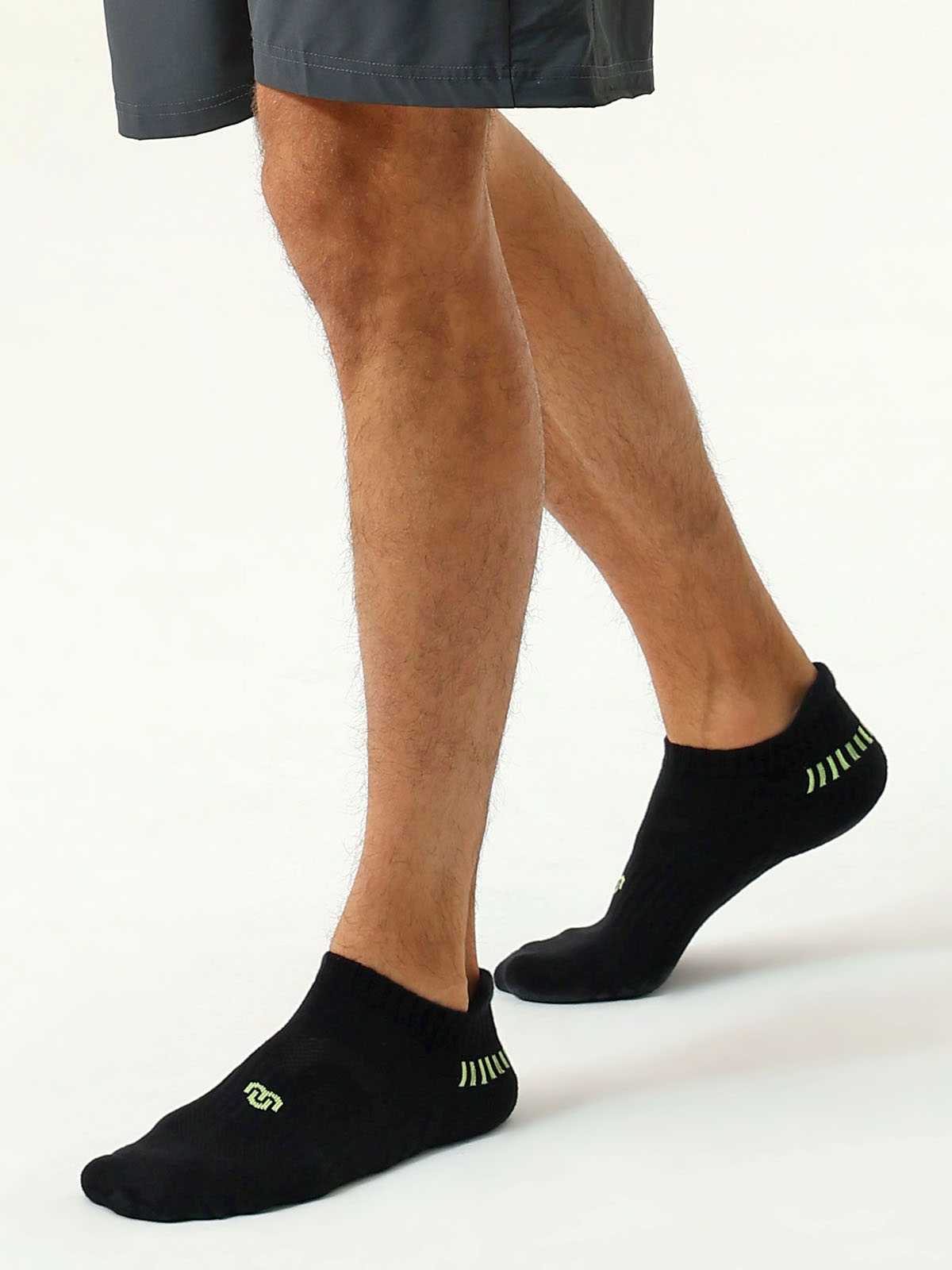
85% Premium Combed Cotton: Unlike standard cotton, combed cotton undergoes a specialized process to remove short, uneven fibers. The result is a fabric that feels incredibly soft against the skin while actively resisting pilling and wear over time.
12% Nylon & 3% Spandex: To ensure the garment stretches dynamically and snaps back into place, this synthetic blend acts as the “muscle” of the fabric.
High-Density Knitting Processing: This advanced manufacturing technique weaves the fibers tightly together, ensuring your gear survives hundreds of heavy wash cycles without losing its original elasticity.
The CLOSEMATE Advantage vs. Ordinary Budget Brands
Most budget-friendly, low-profile footwear accessories are essentially thin, unstructured tubes of cheap fabric. They offer zero shock absorption, stretch out after a single wash, and inevitably slip under your heel mid-workout, causing agonizing friction.
We engineered the CLOSEMATE Men’s Cushioned Athletic Line (Model: YS08) to completely disrupt this outdated standard. Here is a direct breakdown of how our premium engineering outshines the competition:
| Design Feature (设计细节) | Ordinary Budget Brands (普通廉价品牌) | The CLOSEMATE Advantage (CLOSEMATE 优势) |
| Cushioning & Protection | Paper-thin fabric with virtually zero bottom protection against impact. | 3D Cloud Cushioning: 3–4mm of targeted padding creates a “hidden air-cushion” for serious shock absorption during 5K and 10K runs. |
| Heel Stability | Constantly slides down into your shoe, causing severe skin friction and blisters. | Anti-Blister Tongue: A specialized raised heel tab and textured sole lock your foot in place from the inside out. |
| Arch Support & Fit | Flimsy, unstructured fabric that quickly loses elasticity, leading to arch fatigue. | Dynamic Arch Support: Medium-level compression wraps firmly around the midfoot for a secure, anti-fatigue fit during heavy strength training. |
Organization Hack: How to Fold Ankle Socks Properly
A common complaint with low-cut footwear is how easily they get lost or stretched out in the laundry drawer. If you want to maximize the lifespan of your athletic gear and are wondering how to fold ankle socks without ruining their high-density elasticity, follow this simple method:
- Stop Stretching the Band: Never take the elastic band of one piece and stretch it aggressively over the other. This destroys the spandex over time.
- The Flat Stack: Lay one piece completely flat on a table, and place the matching piece directly on top of it.
- The Pocket Tuck: Fold the toe section of both pieces in half towards the heel. Gently tuck the toes just inside the outer opening of the top piece’s heel tab.
- The Result: This “pocket fold” keeps them securely paired together in a neat, compact square without putting any damaging tension on the premium elastic fibers.
Frequently Asked Questions (FAQ)
Our engineered mid-weight liners are optimized for medium-intensity sports. They excel in activities requiring dynamic movement and shock absorption, such as Badminton, Strength Training, Jogging, Dance classes, and 5K to 10K runs.
The Anti-blister Tongue acts as a physical shield between your Achilles tendon and the rigid collar of your running shoe. It completely absorbs the harsh, repetitive friction that normally causes skin tears and painful blisters during long-distance cardio.
Yes, when engineered correctly. While pure regular cotton traps moisture, our strategic blend of 85% premium combed cotton with 12% nylon and 3% spandex creates a breathable, moisture-managing matrix. It absorbs sweat efficiently while the synthetics help maintain the fabric’s structure and encourage faster drying times.
If you are running or training multiple times a week, podiatrists recommend replacing your active footwear layers every 6 to 8 months. Once you notice the 3D cushioning flattening out or the arch compression feeling loose, it is time for a fresh, supportive pair.