
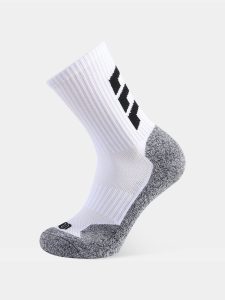


Sock Material Guide: Cotton vs Wool vs Synthetics (Which is Best?)
When it comes to socks, the material you choose makes all the difference in comfort, durability, and performance. Have you ever suffered from blisters on a hike or sweaty feet during a meeting? The culprit is likely the fabric.
From everyday cotton socks to high-performance athletic blends, each material offers unique qualities. In this guide, we break down the most common sock materials, compare their pros and cons, and help you find the perfect pair for every occasion.
Natural Fibers: Comfort and Breathability
Natural fibers are derived from plants or animals and are prized for their softness and comfort against the skin.
Cotton Socks
Cotton is the most common sock material, known for its affordability and softness. Variants like combed cotton provide a smoother, more durable finish, while organic cotton socks are eco-friendly and chemical-free.
- Pros: Soft, breathable, affordable, hypoallergenic.
- Cons: Retains moisture (bad for sweat), dries slowly, can lose shape.
- Best For: Casual daily wear, office environments, light walking.
- Avoid For: Running, hiking, or any high-intensity sport.
Wool & Merino Wool Socks
Gone are the days of itchy wool. Modern Merino wool socks are a game-changer. They offer natural temperature regulation—keeping you cool in summer and warm in winter.
- Pros: Natural insulation, moisture-wicking, odor-resistant, soft (Merino).
- Cons: Can be more expensive, requires careful washing (air dry recommended).
- Best For: Winter wear, hiking, trekking, and variable weather conditions.
Looking for warmth without the itch? [Shop our premium Merino Wool Collection]
Bamboo and Modal Socks
Bamboo fiber is rising in popularity for good reason. It is naturally antibacterial and incredibly smooth, often compared to silk but more durable.
- Pros: Silky feel, highly breathable, naturally anti-odor, eco-friendly.
- Cons: Takes longer to dry than synthetics, less durable than pure nylon.
- Best For: Sensitive skin, hot weather, and everyday luxury.
See why everyone is switching to bamboo: [ Explore our Bamboo Socks Collection]
Cashmere and Silk (Luxury Fibers)
Cashmere socks provide the ultimate warmth and softness, making them perfect gifts. Silk socks are lightweight insulators, offering elegance without bulk for formal events.
- Pros: Unmatched softness, lightweight, high insulation value.
- Cons: Delicate, expensive, requires hand washing, low durability.
- Best For: Lounging at home, formal dress wear, special gifts.
Synthetic Fibers: Durability and Performance
Synthetic fibers are engineered to solve specific problems: wicking sweat, adding stretch, and increasing the lifespan of your socks.
Nylon & Polyester
These are the workhorses of the sock world.
- Nylon (Polyamide): Adds immense strength and elasticity. Almost all quality socks contain some nylon for durability.
- Polyester: Lightweight and quick-drying. It doesn\’t absorb water, making it excellent for athletic socks.
Spandex (Lycra/Elastane)
You won\’t find a 100% Spandex sock, but it is a crucial ingredient. It provides the \”stretch and recovery,\” ensuring your socks stay up and hug your foot arch properly.
Microfiber & Coolmax
Coolmax® is a specialized polyester designed with grooved fibers to channel sweat away from the skin rapidly.
- Best For: Running, gym workouts, and hot climates.
The Power of Blends: Getting the Best of Both Worlds
Rarely is a great sock made of just one material. The best socks combine natural comfort with synthetic performance. To help you decide, we’ve put together a modern socks durability comparison below:
| Blend Combination | Key Benefits | Best Use Case |
| Cotton + Polyester + Spandex | Soft, durable, with good fit | Everyday daily wear |
| Merino Wool + Nylon | Warm, moisture-wicking, tough | Hiking & Outdoor Adventures |
| Bamboo + Cotton | Ultra-soft, breathable, fresh | Summer wear & Office |
| Coolmax + Nylon + Lycra | Sweat management + blistering prevention | Running & Marathons |
| Cashmere + Nylon | Luxury feel with added strength | High-end gifts |
How to Choose the Right Sock Material
Learning how to choose socks material is essential to avoid discomfort. Whether you need breathability for sports or warmth for winter, matching the fabric to your activity is key.
- For Everyday Comfort: Go with Cotton or Bamboo. They are soft and cost-effective for low-impact days.
- For Cold Weather: Choose Merino Wool or Acrylic blends. They trap heat even when damp.
- For Running & Sports: Strictly use Synthetics (Nylon/Coolmax) or Merino blends. Avoid cotton to prevent blisters!
- For Dress & Formal: Opt for Silk or fine Mercerized Cotton for a sleek, non-bulky look.
FAQ: Common Questions About Sock Fabrics
A: Look for moisture-wicking materials like Merino wool, Bamboo, or Coolmax polyester. These fibers pull moisture away from the skin, whereas cotton traps it.
A: Yes, bamboo fibers contain a natural agent called \”bamboo kun\” that resists bacterial growth, helping to keep feet smelling fresh longer than standard cotton.
A: Wool (specifically Merino) and Cashmere are the warmest natural fibers. For extreme cold, look for heavy-gauge wool blended with thermal synthetic fibers.
A: This usually happens with 100% natural fiber socks. To prevent this, choose socks with reinforced toes and heels, typically fortified with Nylon.
A: Many people wonder, do organic cotton socks get holes faster? The answer depends on the weave. While 100% organic cotton is softer and eco-friendly, it lacks the elasticity of synthetics, making it more prone to wear in high-friction areas. However, looking for organic cotton socks with reinforced heels and toes can solve this durability issue.
Click here to download the PDF.
View our High-Performance Socks
-
Are Athletic Crew Socks in Style in 2026? The Ultimate Trend Guide
-
Crew Socks for Ultimate Comfort & Performance: What Are They and Why You Need Them
-
The Great Sock Debate: Are Ankle Socks Just for Millennials?
-
2026 Sock Color Trends: Essential Style Upgrades for a Flawless Look
-
Are Ankle Socks Out of Style? The 2026 Practical Guide to Modern Sock Trends
-
The Perfect Mother\’s Day Gifts: Premium Support Socks for Her Everyday Relief
-
The Perfect Mother\’s Day Gifts: Premium Support Socks for Her Everyday Relief
-
The Perfect Mother\’s Day Gifts: Premium Support Socks for Her Everyday Relief
-
2026 Lunar New Year Guide: Chinese New Year Traditions, Symbols & Winter Style in the U.S.
-
Cozy Socks Guide 2026: The Best Merino Wool Socks for Cold Feet & Home Lounging

