Sustainable Materials in Socks for 2025
As the world embraces a greener future, the fashion industry is stepping up to reduce its environmental footprint. Socks, a daily essential, are now at the forefront of this shift through the use of sustainable materials. More consumers are seeking options that balance comfort, style, and eco-consciousness, making eco-friendly socks a rising trend in 2025. In this article, we’ll explore the innovative sustainable materials being used in socks, the benefits they offer, and why they matter for both you and the planet.
Socks may seem like a small part of our wardrobe, but they play a surprisingly big role in sustainability. Traditional socks are often made from synthetic fibers like polyester and nylon, which are derived from petroleum and are not biodegradable. As a result, they can take hundreds of years to break down in landfills, contributing to long-term environmental waste. Beyond disposal, the production of these materials also consumes significant energy and resources, further increasing their carbon footprint.

By choosing socks made from sustainable materials, you can reduce your carbon footprint and support environmentally friendly practices. These materials not only help minimize waste but also often provide greater comfort, breathability, and durability compared to traditional synthetics. Let’s dive into some of the top sustainable materials used in socks today—and why they’re worth making the switch.
Organic cotton is one of the most popular materials for sustainable socks. It\’s grown without the use of harmful pesticides or synthetic fertilizers, making it better for the environment and safer for farmers. Organic cotton socks are soft, breathable, and perfect for everyday wear.
Bamboo:Bamboo is another outstanding choice for eco-friendly socks. As one of the fastest-growing plants on Earth, it requires no pesticides or fertilizers, making it an exceptionally renewable resource. Bamboo fibers are naturally antibacterial and moisture-wicking, helping to keep your feet fresh, dry, and odor-free throughout the day.
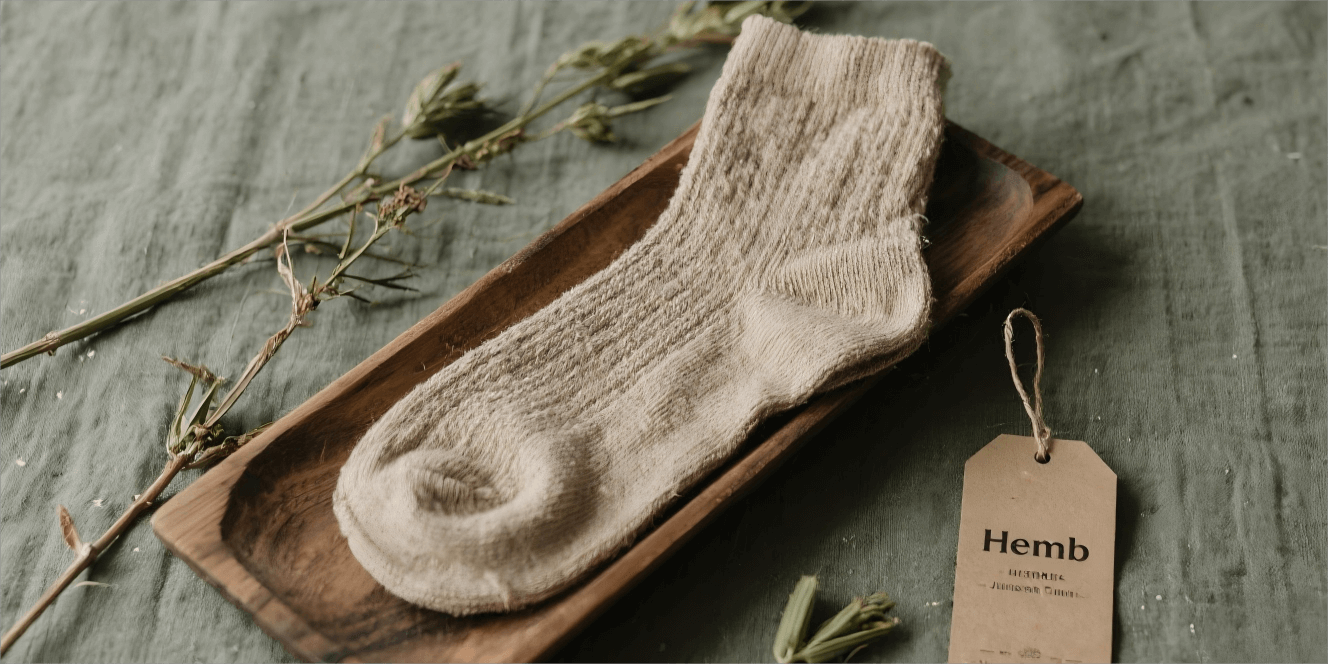
Hemp:Hemp is a versatile and durable natural fiber that has been valued for centuries. As a sustainable crop, it grows quickly with minimal water and no need for pesticides. Hemp socks are exceptionally strong, long-lasting, and naturally resistant to mold and mildew, making them both eco-friendly and practical.
Wool:Wool is a natural fiber prized for its warmth, softness, and durability. When sourced responsibly, sustainable wool ensures ethical treatment of sheep and minimal environmental impact. Biodegradable and naturally insulating, wool socks are perfect for keeping your feet comfortable in colder weather while supporting eco-conscious practices.
Recycled Materials
Recycled Polyester
While polyester is traditionally a synthetic fiber, recycled polyester offers a more eco-friendly alternative. Made from repurposed plastic bottles and other post-consumer waste, it reduces reliance on virgin materials while helping to divert plastic from landfills. Recycled polyester socks are strong, durable, and a smart choice for those seeking sustainability without sacrificing performance.
Recycled Nylon
Similar to recycled polyester, recycled nylon is created from both pre-consumer and post-consumer waste, such as discarded fishing nets, fabric scraps, and industrial plastics. By giving new life to these materials, recycled nylon reduces waste and lessens the demand for virgin resources. Socks made from recycled nylon are strong, resilient, and provide a more sustainable alternative to traditional nylon.
The Benefits of Eco-Friendly Socks
Environmental Impact:Choosing socks made from sustainable materials helps reduce the environmental footprint of the fashion industry. By opting for natural fibers and recycled alternatives, you’re not only conserving valuable resources but also reducing pollution and minimizing waste. Every small choice—like the socks you wear—can contribute to a greener, more responsible future.
Healthier for You:Sustainable socks are not only better for the planet—they’re better for you too. Natural fibers like organic cotton, bamboo, and wool are breathable and hypoallergenic, reducing the risk of skin irritation and allergies. Their natural moisture-wicking properties also help keep your feet dry, fresh, and comfortable throughout the day.
Supporting Ethical Practices:When you choose sustainable socks, you support companies that prioritize both ethical and environmentally friendly practices. This includes fair wages, safe working conditions, and a commitment to reducing their carbon footprint. By making these choices, you help promote a fashion industry that values people and the planet equally.
Trends in Sustainable Sock Design
As consumer demand for sustainable products continues to grow, designers are getting increasingly creative with eco-friendly sock designs. Here are some of the key trends to watch in 2025:
- Bold Patterns and Colors: Sustainable socks don’t have to be dull. In 2025, expect to see vibrant patterns and rich colors created using non-toxic, eco-friendly dyes.
- Innovative Textures: Designers are exploring new textures and knitting techniques to craft socks that are both unique and exceptionally comfortable.
- Multi-Purpose Socks: Expect socks crafted from sustainable materials that are versatile enough for a range of activities—whether hiking, running, or simply lounging.
Socks made from sustainable materials are more than just a trend—they represent a step toward a greener, more environmentally conscious future. By choosing socks crafted from natural fibers and recycled materials, you can enjoy comfort, style, and sustainability all at once.
As we move into 2025, let’s support brands that are making a positive impact on our planet.